Demand Generation Case Study for HR Benefits Company

Demand Generation Case Study for HR Benefits Company

Digital Demand Generation Increases Qualified Leads by 100%, Closed Deals by 200% and Reduces SDR Headcount by 50%

Summary

Demand Generation Case Study for HR Benefits Company – Company needed to grow its corporate customer account base by 25% and simultaneously reduce the cost of developing opportunities and closing business.   Their internal team of eight Sales Development Reps were no longer producing enough real sales opportunities to support growth.

In this demand generation case study for a HR Benefits Company you will learn how a demand generation and lead nurturing solution helped double sales and cut cost of sales by 50% in under a year.

Company Background

Collective Goods brings world-class retail experiences with incredible prices to corporate workplaces. These retail events act as an employee benefit that simultaneously allows organizations to contribute to causes they care about. Collective Goods (originally Books Are Fun) is a second-generation family-owned business. Collective Goods runs these pop-up retail events for over 55K schools and 10K corporations annually.

Challenge

Collective Goods wanted to target HR Directors and Benefits Managers with over 200 employees. Generating the deals required an average of 3 to 5 calls to convert into a proposal. Once closed an average deal resulted in $8,000 to $20,000 of annul recurring revenue.

Collective Goods had the equivalent 8 full time Sales Development Reps supporting an independent national rep force with more than 200 salespeople. Sale Development Reps were responsible for generating leads through cold calling efforts and sporadic one-time email campaigns. SDRs were then responsible for a series of calls to educate and qualify the lead before they passed to National Rep to close.

Company needed to grow its corporate customer account base by 25% and simultaneously reduce the cost of developing opportunities and closing business.

Company had a homegrown CRM, a target list of 18,000 companies with names, phone numbers but limited email addresses and no marketing automation tech.

The Solution

Within the first month Digital Demand Center’s parent company Gabriel Sales crafted a go-to-market strategy. Gabriel Sales ran a three-day video production workshop to create lead gen, lead nurturing and sales automation video content. Collective Goods digital marketers provided additional articles and website modifications.

Within the first month Gabriel Sales also addressed gaps in Collective Goods database and augmented that database with an additional 12,000 targets. Gabriel Sales implemented the full Digital Demand Center tech stack and stood up eight Salesforce seats for the Sales Development Reps.

Digital Demand Center’s full tech stack was launched and integrated into Salesforce. DDCs turnkey ongoing managed services team executed a three-part awareness campaign to the entire database over the first eight weeks transitioning into lead nurturing campaign with seven to nine unique offers a quarter.

Within three months Collective Goods Sales Development Reps were receiving a steady flow of predictively scored sales leads.

The Results

Within six months Digital Demand Center™ was producing a sustained flow of:

  • 120 scored Sales Ready Leads a Month
  • 2x more Sales Appointments (46 a Month)
  • Produced 19 New Deals/Accounts Per Month
  • Hit their 25% new corporate accounts annual growth targets

In addition, because lead nurturing produced well educated buyers (the average scored lead consumed 4-9 pieces of content and several videos) the company was able to reduce the time an investment required to produce qualified leads and deals The sales team was able to:

  • Reduce the calls to conversion from 3 calls to 1 call
  • Increase closing rate from 10% to 50%
  • SDRs were able to close 50% of deals without needing National Rep
  • Company was able to reduce Sales Development Rep headcount from 8 to 4 to reduce overall Cost of Sale Percentage by 40%

.

Additional Strategic Benefits

With a CRM and Digital Demand Center™ reporting and dashboards in place Collective Goods Chief Sales Officers and VPs of Sales had ability to target gaps in the market and the ability to focus on those markets for additional growth.

Newly hired Marketing Director was able to leverage dashboards to refine and hone messages.

Company was able to leverage a portion of SDR headcount savings to create additional content and hire an in-house videographer.

Additional Strategic Benefits

With a CRM and Digital Demand Center™ reporting and dashboards in place Collective Goods Chief Sales Officers and VPs of Sales had ability to target gaps in the market and the ability to focus on those markets for additional growth.

Newly hired Marketing Director was able to leverage dashboards to refine and hone messages.

Company was able to leverage a portion of SDR headcount savings to create additional content and hire an in-house videographer.

This concludes this demand generation case study HR Benefits Company.  We invite you to view additional case studies or contact us for your initial free consultation.

 

Collective Goods Logo

About Collective Goods

Collective Goods brings world-class retail experiences with incredible prices to corporate workplaces. These retail events act as an employee benefit that simultaneously allows organizations to contribute to causes they care about. Collective Goods (originally Books Are Fun) is a second-generation family-owned business. Collective Goods runs these pop-up retail events for over 55K schools and 10K corporations annually.
B2B Hardware Manufacturer Lead Nurturing Case Study

B2B Hardware Manufacturer Lead Nurturing Case Study

B2B Hardware Manufacturer Lead Nurturing Case Study

Industry Leading Diagnostic Tools Manufacturer Needed Lead Nurturing to Stay Top of Mind with Buyers

Summary

In this B2B hardware manufacturer lead nurturing case study you will learn how an industry leading diagnostic tools manufacturer used lead nurturing to stay top of mind with new and existing buyers.

Company Background

The Energy Conservatory (TEC) manufactures MINNEAPOLIS brand precision diagnostic equipment and develops processes used to solve comfort, energy use, durability and air quality problems in buildings. TEC’s knowledge of building physics, reputation for innovative design, and excellent technical support have made them the leading manufacturer of performance testing tools for the building science industry.

Founded in 1980 at the Minnesota Energy Agency, their blower door was a pioneer in the energy conservation sector. Today, their blower door continues to set the standard in the industry. Since then, the company has launched multiple diagnostic tools for the industry.

Situation

TEC is the industry leader with the most established brand. 95% of the company’s sales were coming from distributors, but they were getting ready to launch an internal store to offer products directly.

Buying their solution was not an “if” but “when” decision due to state and federal regulations. Inbound leads were not an issue for the company because of the longevity of the brand, their presence at tradeshows, in trade publications and their distribution partners. When a purchase decision was ready to be made TEC was almost always in the running.

Company had built a database of 20K past and existing customers (only 35% had full contact info including email addresses) that was used very sporadically for one off announcements and occasional newsletters.

TEC had a great deal already accomplished including:

  • A well established brand
  • A required product
  • An existing customer base

The Challenge

TEC’s remaining founder was in the process of exiting the company and empowering a new leadership team and new owners. In addition, TEC’s long time head of sales and marketing was preparing to retire. There was also new competitor moving into the market with a focus on digital marketing, and as result TEC’s external sales partners and distributors were asking for additional digital education support.

TEC was interested in Digital Demand Center to ensure:


  • TEC remained top of mind with their existing and past customers
  • Make it easier for new buyers to understand what product was the best fit to meet their needs
  • Ongoing education to remain thought leaders in the market to support their partners and distributors
  • The leadership transition did not reduce confidence in the organization/brand

The Solution

Month 1

During the first month, Digital Demand Center’s parent company Gabriel Sales crafted a digital first buyer education strategy that included an awareness campaign to remind the market why it was such a great solution, a lead nurturing campaign, an automated sales education campaign and framed an ongoing newsletter strategy.

Month 2

Gabriel Sales ran a three-day onsite video content production workshop at the company’s headquarters to create the initial content required for the campaigns. Digital Demand Center’s full tech stack was launched and integrated with multiple Salesforce seats. A video channel was launched, and all tech integrations were completed. Data appends and validation was run on their 20,000 records.

Month 3-4

A six-part awareness campaign was kicked off to 12,500 newly cleaned and validated targets. Content production was completed. Ongoing monthly newsletter was launched during month 4.

Month 5

Digital Demand Center™ kicked off lead nurturing and sales automation campaigns then entered steady state with ongoing managed services.

Results

B2B Hardware Manufacturer Lead Nurturing Case Study Results

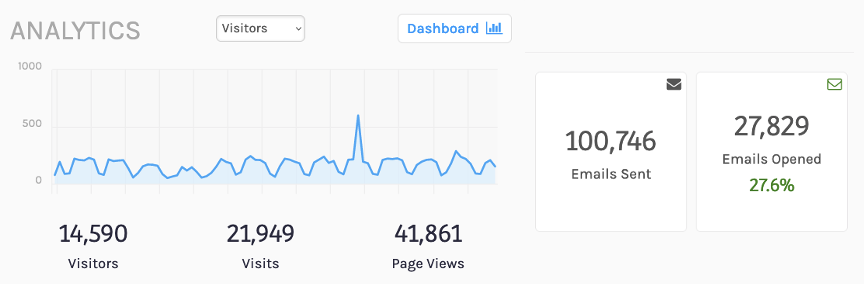
Over time TEC’s mailable database of customers and potential buyers grew from 12K to 20K leads, almost doubling the buyers they can target with digital first education.

Digital Demand Center™ continues ongoing top of mind awareness, customer education, and pre-sales automation communication across TEC’s existing customer base and inbound lead nurturing database.

TEC is able to stay top of mind and drive ongoing engagement with over 75%, of their entire database quarterly basis, with most customers engaging with multiple pieces of digital first education on a consistent basis.​

.

Additional Strategic Benefits

The new ownership and leadership team was able to take over the business and focus on higher priority activities including launching an eCommerce platform, deepening relationships with existing channels and growing their distribution partner network.

TEC built an in-house content production team to focus on digital education for buyers, including video and multi-media production. In addition, TEC built a large on-demand library of case studies, use cases and testimonials to provide social proof to potential buyers.

This wraps up this B2B hardware manufacturer lead nurturing case study. Please visit additional customer success stories or contact us for your a free gap audit to learn more.


Collective Goods Logo

About TEC

The Energy Conservatory (TEC) manufactures MINNEAPOLIS brand precision diagnostic equipment and develops processes used to solve comfort, energy use, durability and air quality problems in buildings. TEC’s knowledge of building physics, reputation for innovative design, and excellent technical support have made them the leading manufacturer of performance testing tools for the building science industry.

Founded in 1980 at the Minnesota Energy Agency, their blower door was a pioneer in the energy conservation sector. Today, their blower door continues to set the standard in the industry. Since then, the company has launched multiple diagnostic tools for the industry.

Lead Scoring for B2B Demand Gen & Lead Nurturing

Lead Scoring for B2B Demand Gen & Lead Nurturing

Lead Scoring for B2B Demand Gen — a Critical Tactic for Lead Nurturing Success

Background – The Adoption of Demand Generation and Marketing Automation

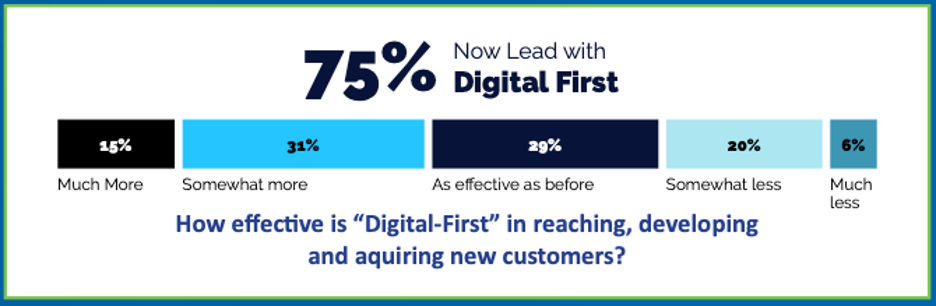
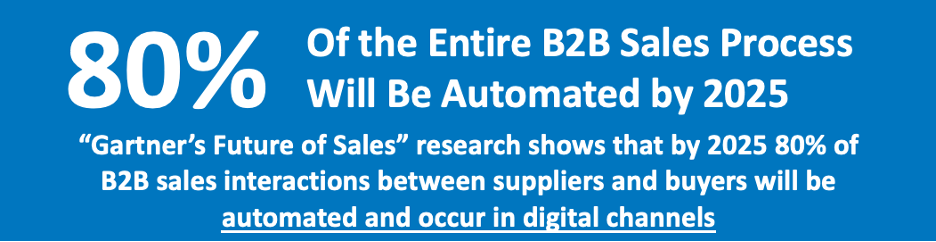
During the pandemic we witnessed a dramatic shift towards content marketing and the pursuit of multiple digital channels to generate leads. And according to Gartner’s latest survey, we also witnessed a dramatic shift to a Digital First sales process to replace the historical pre-sales education tasks of the Sales Development Rep with extremely positive results. That’s where lead scoring for B2B demand gen comes in.


Lead Scoring for B2B Demand Gen

The Impact on Leads

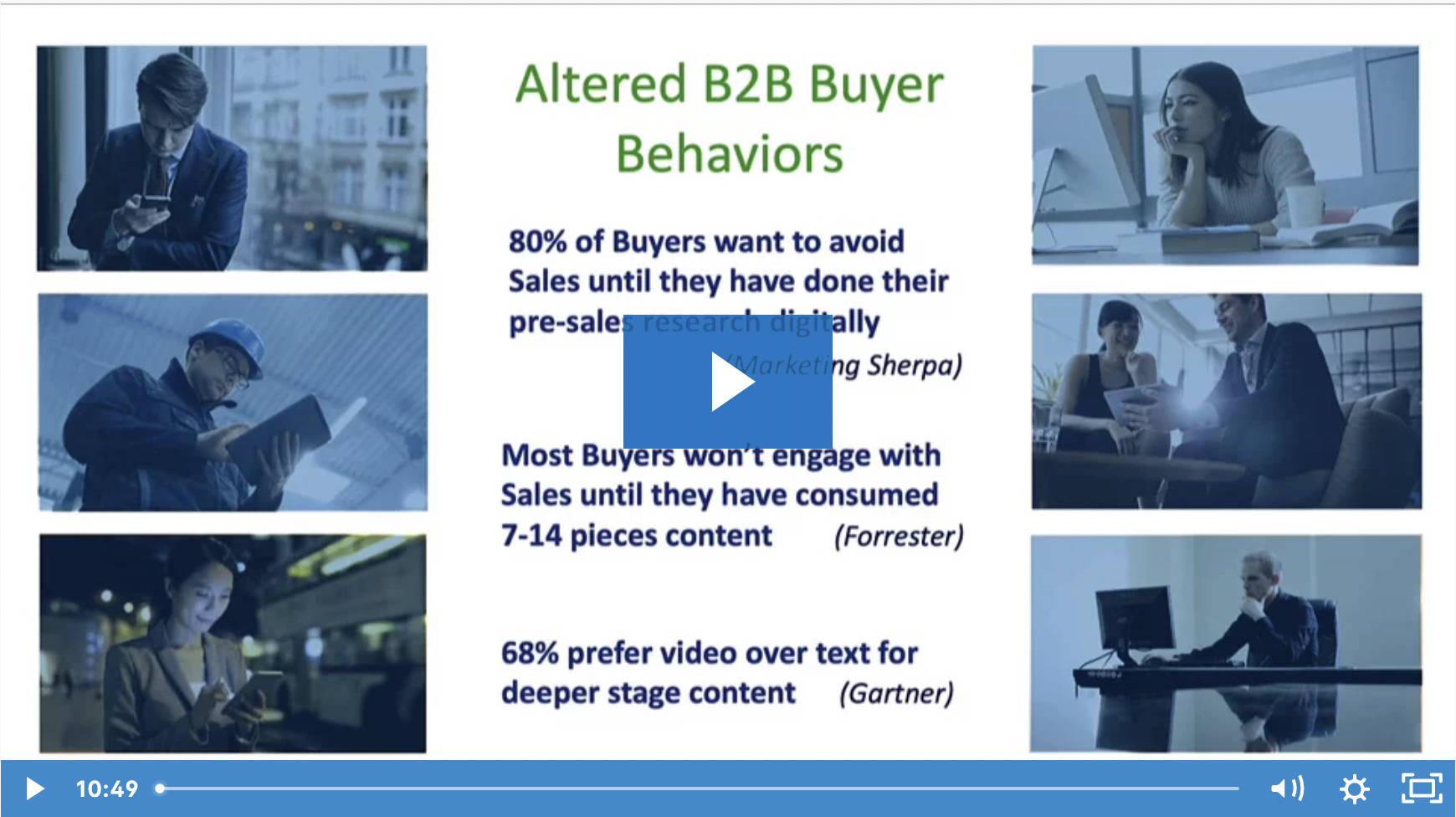
As a result, Buyers have now started their digital education far in advance of being ready to buy.

  • Less than 5% of Email Click Throughs are Ready to Buy – 96% of leads are not ready to buy when they first hit your website or landing page. (Aberdeen)
  • Less Than 25% of Inbound Form Fills are Ready to Buy – 78% of buyers requesting information on your company today will not purchase for at least 3 to 6 months – and 28% will take 12 or more months to buy. (Sirius Decisions)

And simultaneously, Buyers started to expect Sellers to provide digital pre-sales education much deeper into the sales funnel.

  • Buyers conduct over half their pre-sales education online. 74% of business buyers conduct more than half of their research and solution education online before engaging with a sales rep.
  • 80% of Buyers want to avoid Sales Reps until they have done their pre-sales research. 80% of Buyers want to delay dealing with sales reps until they have completed initial research and are ready to shortlist for a decision. (Marketing Sherpa)

Lead Nurturing and Marketing Automation Are Now Requirements

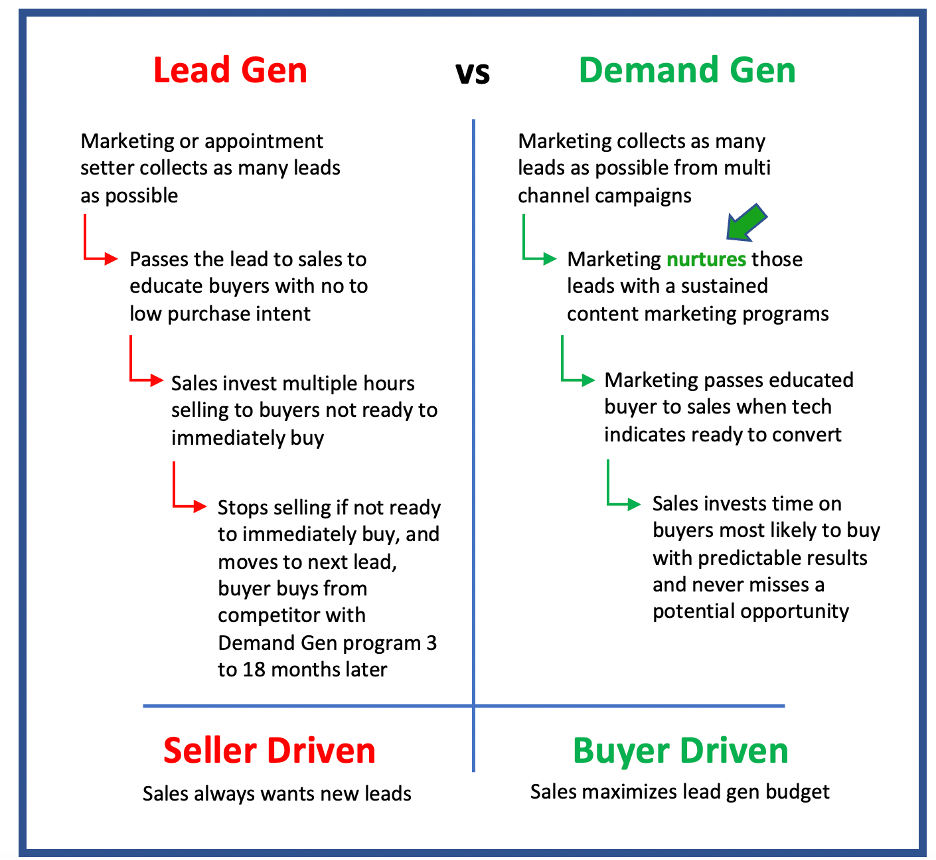
As a result, successful marketing operations teams have moved beyond content marketing for lead gen and are now accountable for providing well educated buyers to their sales reps as part of an integrated pre-sales and content marketing process. These marketing teams now implement Digital Demand Generation programs to nurture buyers through the pre-sales process to provide their sales team with well-educated buyers.  

Lead Scoring for B2B Demand Gen

According to Gartner, over 58% of successful B2B sales and marketing operation teams are now leveraging a marketing automation platform to manage this nurturing process (and another 12% are planning to implement an automation platform within the next twelve months).

They use a marketing automation platform because it is the central technology required to successfully execute Demand Generation with the sustained nurturing that is now required for success.  A marketing automation platform is critical for demand generation because it allows you to do four things:

  • Email Marketing – Send sustained email nurturing campaigns to targeted leads
  • Track a Buyer’s Digital Engagement – The platform allows you track the digital engagement of your lead’s activities, as well as their interaction with specific pieces of online content
  • Lead Scoring – Allows you to score leads and they engage with your digital content and nurturing campaigns
  • Alert/Prioritize Sales to Hottest Leads – Send alerts, notifications and prioritize leads for your sales team once a lead is “Sales-Ready”

What is Lead Scoring for B2B Demand Gen and How Does it Work?

Lead scoring is the process of giving each lead a numerical score to predict and rank the sales-readiness of each lead.

That numerical score is calculated in three ways:

  1. Explicit Contact Data
  2. The Buyer’s activity
  3. Predictive Content Engagement


Video – Nurturing, Lead Scoring for B2B Demand Gen and How it Works with Digital Demand Center™

(Watch Time – 3:00 Minutes)

One – Explicit Contact Data

Targeting the right market should already be a top priority for your sales and marketing operations team. Great targeting leads to better results and a better ROI on your marketing investment. A well-built database of targeted leads can help make this easier, but having a perfect lead database is not a realistic goal.

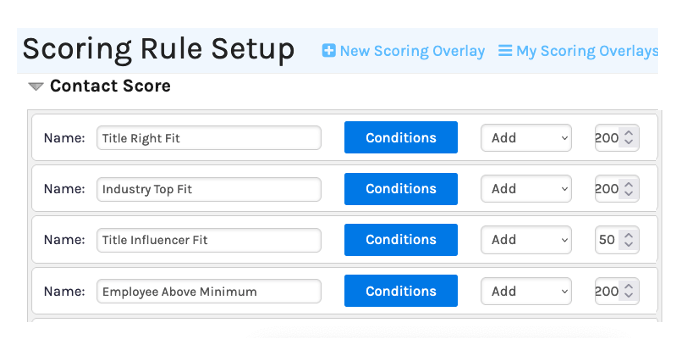
If you are targeting a broad market or generating a great deal of suspect PPC inbound leads, the first step is to give the best targets a higher score. This can be done directly in the Marketing Automation Platform based on your ideal fit. Below is a quick example of the customization that can be programed in the Marketing Automation Platform.

Two – The Buyer’s Activity

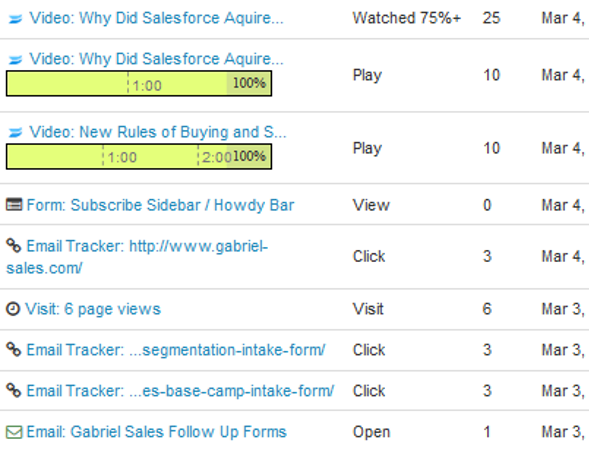
Lead scoring allows you to track a Buyer’s activity in a number of ways including:

  • Email Opens
  • Email Clicks
  • Video Plays
  • Duration of Video Watched
  • Form Visits
  • Number of Page Views
  • Visits to Your Website
  • Repeat Visits
  • Time on The Website

These scores continue to accrue over time every time your potential buyer comes back to your site(s).

Three – Predictive Content Engagement – The Most Critical Lead Scoring Step

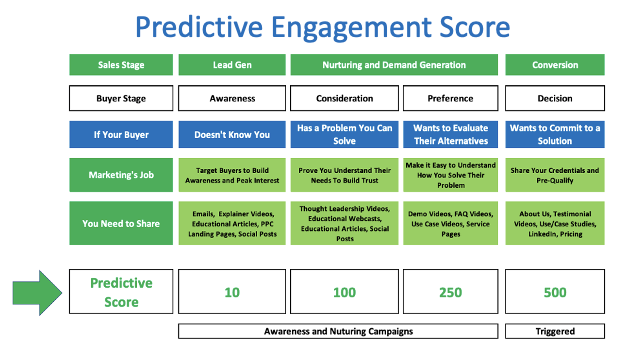
Not all types of activities and engagement are created equal. An effective demand generation program requires that you nurture a buyer deeper into their pre-sales journey using different types of content to meet the buyers increasing needs as they get closer to a decision.

The deeper the buyer moves into the sales funnel the higher the numerical score associated with that that specific type/piece of content becomes.

Lead Nurturing Engagement Model

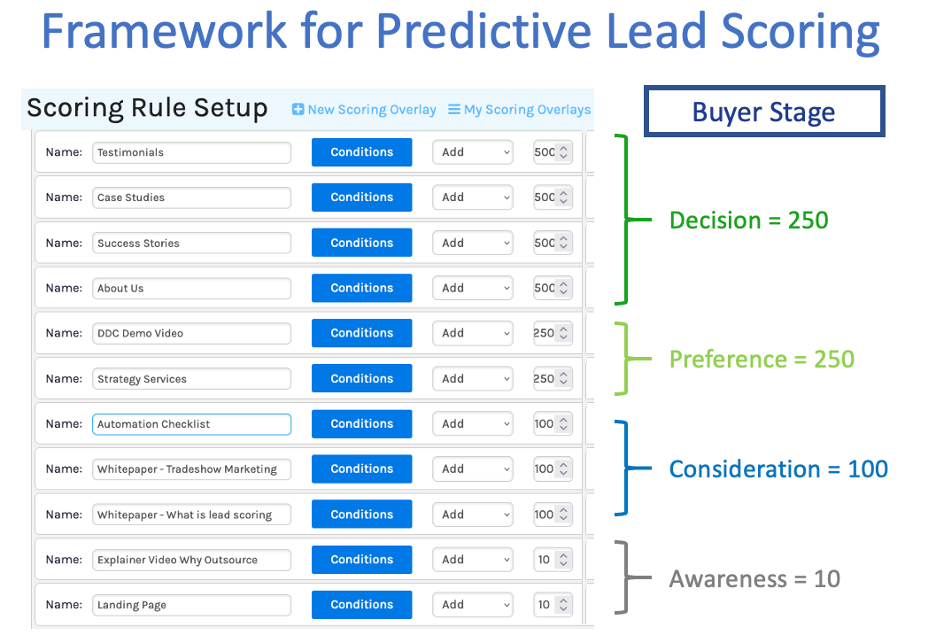
Your marketing automation platform then allows you to weight your content score based what stage the content indicates they engaged with as part of their Buyer’s Journey. If the buyer is still at the “Awareness” stage that engagement will get a score of 10. If they move on to checking out a piece of content (like a Demo Video) that indicates they are at the “Preference” stage they will get an additional score of 250”.

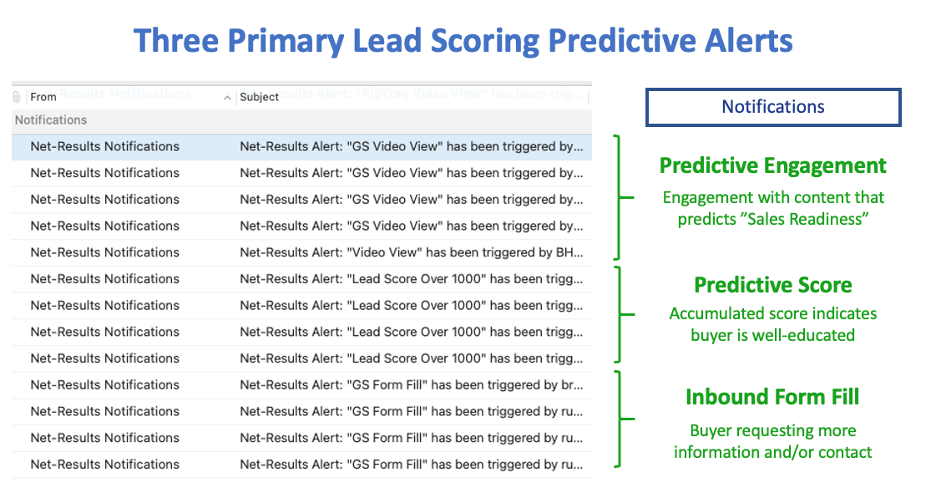
In addition to prioritizing leads that may be “Sales Ready” directly in your CRM. Lead Scoring also allows your marketing team to trigger alerts for leads that are Buyer that are demonstrating buying signals for quick and/or immediate follow up so they never miss an opportunity.

One of the most effective ways to score leads and predict when a buyer is ready to buy is a buyer’s  engagement with video.  You can learn more about this in our article –  What Videos Are Most Effective B2B Lead Scoring and Sales Automation.

These alerts are typically shared via email and are predominantly one of three types of notifications.

  • Predictive Engagement – The lead is engaging with content that typically indicates they are moving from “Consideration” to “Preference” or “Decision” stages.
  • Predictive Score – The lead is engaging with digital education in a meaningful way. The “Buyer” is becoming a “Well Educated Buyer” and their engagement and activities indicates they are trying to solve a problem in a way in which your solution looks like a potential fit.
  • Inbound Request – Sales team is immediately notified when any inbound requests are made by a potential Buyer.

Conclusion

Lead Nurturing is quickly becoming critical to the success of B2B Sales and Marketing Operation because B2B Buyers reward Sellers for a Digital First Pre-Sales Education process.

  • Businesses using marketing automation to nurture prospects experience a 451% increase in qualified opportunities.
  • 95% of buyers short list a solution provider that “Provided them with ample content to help navigate through each stage of the buying process” (DemandGen Report)
  • You are 2X as likely to win business over your competitor if you provide a substantive digital education experience for your prospects throughout their buying process (McKinsey)

And Leads Scoring is the critical process to capture the most sales value from this process. Nurturing without Lead Scoring is like ordering food and then leaving the table when it’s time to eat.


About Digital Demand Center™ (and Gabriel Sales)


Gabriel Sales has been helping companies build successful sales and marketing operations for over 20 years.  As part of these efforts, we have implemented marketing automation platforms over 150 times for companies ranging in size from Start Ups, through Small and Mid-Market businesses as well as serving the Fortune 500.

Digital Demand Center is a turnkey solution designed specifically for the small and medium sized businesses.  Our cost effective solution is engineered for companies that are serious about meeting the challenges and capturing the rewards of executing an automated digital first sales process.   DDC allows us to deploy our expertise and lead scoring best practices (cross pollinated) across all the successful organizations we support and serve.  For a detailed overview of the needs of the modern buyer, more about the problems we can help you solve and how that happens you can watch the video below and read our quick article Why Outsource Demand Generation and Lead Nurturing?.


Video – The Modern Digital First B2B Buyer and Digital Demand Center™


(Watch Time – 10:00 Minutes) Learn How to Successfully Meet the Needs of the Modern B2B Buyer with Digital Demand Center™ and Provide Your Sales Team with a Steady Flow of Well Educated “Sales Ready” Leads

If you are still not convinced nurturing, pre-sales automation and lead scoring is critical or feel like you would like a much deeper crash course on all challenges, budget, technology and tactics required for success, we invite you to check out our Educational Video Series on The Digital First Transformation.