
About Our Outsourced Marketing, Marketing Automation and Sales Ops Support
About Us
Gabriel Sales is a B2B marketing and sales operations support agency.
We leverage our deep experience and expertise in both sales and marketing to help B2B marketers and sales organizations increase their capability and capacity to support sales, increase sales funnel velocity and drive revenue.
We use your data, Salesforce and Marketing Automation tech to help you measure and visualize the value and impact of your specific sales and marketing tactics for clear visibility and increased intelligence.
Our History and Expertise
20 Year Track Record Helping B2B Organizations Get Serious About Growth
Gabriel Sales was founded in San Francisco in 2002 as a full-service outsourced sales and marketing company. For 12 years, we managed the go-to-market strategy and day-to-day sales and marketing execution for dozens of organizations. This included acting as the Chief Sales Officer, staffing sales and marketing teams, generating leads, developing and qualifying opprotunites, closing business and scaling accounts. This also included launching/managing Salesforce, marketing automation technologies and marketing processes to support the entire sales lifecycle from lead generation, through closed deal to upsells, cross sell and account management. During this time frame, we built repeatable sales and marketing processes and helped our clients generate and close over $110 million in annual recurring revenue. We also took on executive roles, acquired equity positions, and participated in the acquisition of several of our clients by IBM, WNS, and Oracle. Throughout this period, we became hands-on experts in scalable sales and marketing operations.
In 2011, we became one of Pardot’s (now Salesforce’s Account Engagement) first partners. Over time, we replaced cold callers with marketing automation, lead nurturing and content marketing engines across our entire client base.
In 2020, as the pandemic increased the requirement for digital first buyer education, marketing automation, content marketing and sales/marketing alignment, we shifted our focus from outsourced sales to helping mid-market companies, startups and established small businesses implement and manage their Salesforce and marketing automation technology stacks more effectively to maximize the results of their lead generation, lead nurturing and day-to-day sales and marketing operations.
Our Mission
To Accelerate Your Sales Funnel
Gabriel Sales’ mission is to help our clients accelerate their sales funnels and drive more revenue with seasoned executives crafting proven digital first strategies, certified technologists optimizing Salesforce and marketing automation implementations, and/or experienced frontline sales and marketing professionals executing lead nurturing campaigns, managing lead transition and providing real value from your data so you never miss a real sales opportunity.
Our Approach
Both Strategic and Hands-On
We help your organization execute proven solutions that enable marketing teams to support sales.
We provide both go-to-market & ongoing strategy, tech stack support and marketing execution. We collaborate with our clients and leverage proven best practices to build better systems as we continuously help you optimize marketing automation, Salesforce, demand generation, and lead nurturing processes on a daily basis.
What Make Us Unique
We Use Our Sales Expertise to Help Marketers Bridge the Gap from Marketing to Sales
We are proven front line B2B sales experts with deep go-to-market experience. We combine that with 20 years of certified Salesforce experience and 12 plus years of Pardot experience to use content, lead nurturing and technology to accelerate sales funnels. .
We understand success is ultimately about sales. Our leadership team has scaled, staffed, trained and managed sales teams. This front line sales experience combined with our marketing expertise enables us to help senior marketers, sales executives, and creative teams leverage our technology experts, proven lead nurturing strategies, and 15 years of marketing automation best practices for improved capabilities and increased day-to-day capacity. Marketing teams can stop struggling with technology and sales enablement tactics and focus on more strategic priorities such as brand, creative, strategy, content production, analysis, and optimized spending.
Who We Serve
B2B Sales and Marketing Organizations and Executives
We specialize in supporting B2B companies. Our Salesforce, Marketing, and Sales Ops support clients include both middle-market and publicly traded companies. Our turnkey demand generation solution is designed for established small businesses and funded startups serious about growth. We work across a wide variety of verticals, including tech, software, data, healthcare, pharma, construction, manufacturing, and professional services. This diversity across different industries helps us gain insights quickly and benefits all our clients, allowing us to provide data-driven benchmarks and cross-pollinate best practices to lift your company’s performance.
Our Management Team
Proven Expertise and Frontline Experience to Increase Specific Sales & Marketing Capablities
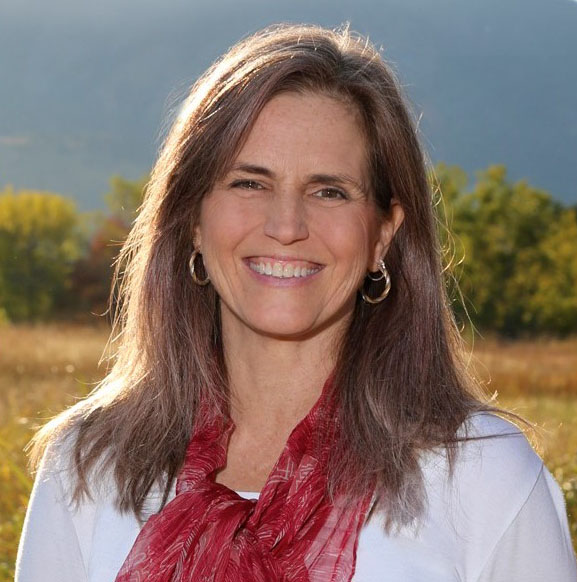

Carol Springer
Co-Founder and Head of Salesforce and Account Engagement (Pardot) Consulting
Carol is Gabriel Sales’ Senior Technology Solution architect overseeing the implementation and strategic optimization of Salesforce, Account Engagement and third-party integrations.
Carol co-founded Gabriel Sales in 2004 as a full-service outsourced sales company. Carol was responsible for day-to-day sales operations – overseeing sales teams accountable for qualified leads and revenue quotas. Carol launched her first Pardot program in 2010. Since then, Carol has managed over 150 Salesforce and Marketing Automation tech stacks in almost every B2B vertical. During the pandemic, Carol shifted Gabriel Sales’ core focus to helping mid-market companies maximize their Salesforce and Marketing Automation investments.
Prior to launching Gabriel Sales, Carol worked as a Senior Enterprise Sales Executive, Inside Sales Director and Account Manager for several Silicon Valley technology and service companies as an award winning closer. Carol has a BS in Business Administration & Finance from the University of Minnesota.

Neely Morrison
Marketing and Marketing Automation Managed Services and Customer Success Management
Neely is a Certified Salesforce Administrator and Account Engagement Specialist overseeing day-to-day delivery, project management and coordination of managed services support staff. Additionally, as a client success manager, she works closely with clients to identify business needs and meet objectives.
Neely became a full-time employee in 2024, after four years of supporting Gabriel Sales’ clients as a subcontractor through Holly Ray Creative (her own boutique Digital Agency founded in 2020). She joined our team to leverage her 6 years of Salesforce and Marketing Automation experience. Neely’s additional areas of experience also includes content management, graphic design, website design, social media marketing, and project management. Neely is passionate about recognizing, championing and actualizing the potential of technologies to automate and streamline processes to create deeper customer and sales engagement.
Neely is committed to philanthropy, volunteering her time to various causes supporting children and youth leadership. She holds a BA in Communications and Public Relations from Mississippi State University.
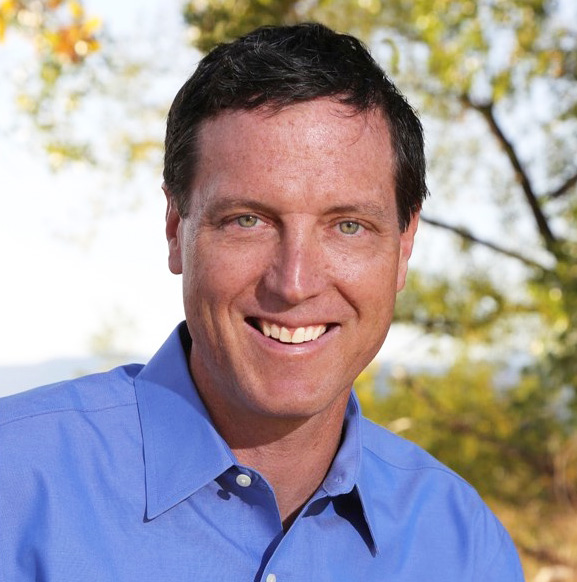
Glen Springer
Go-to-Market & Lead Nurturing Strategy, Content Production and Head of Digital Demand Center
Glen oversees our sales and marketing strategy engagements and manages content production. He also runs Digital Demand Center – our turnkey Demand Generation Engine designed specifically for SMBs, Start Ups and new product launches.
Glen founded Gabriel Sales in San Francisco in 2004 where he was responsible for building sales and marketing organizations and closing business for multiple start-up companies. Over the next 12 years, Glen took multiple sales organizations from $500K to $18M+ in annual recurring revenue, crafting repeatable and scalable sales processes. Because of this success, Gabriel Sales was an equity participant as a co-founder in several successful acquisitions. Over the course of his career at Gabriel Sales , Glen has helped take over 100+ plus products and solutions to market.
Prior to founding Gabriel Sales, Glen was a successful entrepreneur founding and selling a marketing/ecommerce company to Whole Foods Market, and working as one of the first sales executives at Autoweb.com, the first Internet Car lead gen company to IPO during the initial .dotcom boom. Glen has an undergraduate degree in English Literature and Philosophy from The College of William and Mary, studied Film Theory and production at San Francisco State University and spent his early years as a Theatrical Stage Manager in Washington D.C.
Strategic Services Partners
Senior Executives and Business Partnerships to Further Accelerate Demand Generation and Digital Marketing
Gabriel Sales has a network of ancillary partnerships to enhance our core areas of expertise. These partners cover additional capability gaps to amplfiy our ability to help our client’s generate increased demand and convert more sales ready leads faster.

Brian Rice – Strategic Services Partner and Owner of BusyBrian.com
Web Developer, Designer, Ecommerce Integration & CMS expert
Brian is a seasoned web designer and front-end developer with over 20 years of experience transforming clients’ visions into high-performing websites. Brian owns and manages his own design group www.busybrian.com.
Gabriel Sales has worked with Brian and his team for over 15 years to support Gabriel Sales client’s when they need tailored web solutions that enhance marketing automation processes and customer experiences.
With a background in digital marketing, content management, and graphic design, Brian increases our ability to help our clients nurture, score and convert buyers. BusyBrian’s approach prioritizes seamless navigation, fast load times, and intuitive interfaces, resulting in superior user experiences that drive increased engagement, improve your ability to score leads and help us to increase conversions. Brian and his team also enable you to leverage multiple content management systems (CMS) into one custom user experience, including integrating custom coded sites with WordPress, Square, Shopify and WooCommerce.
Experienced Support Staff
Immediately Increase Capacity With a Blended Team of Salesforce Certified Experts
and Well-Trained Marketing and Sales Ops Specialists


Certified Salesforce Account Engagement & Marketing Automation Specialists
Our Certified Marketing Automation Specialists are responsible for implementing, configuring, and optimizing Account Engagement (Pardot) and third party integrations with proven best practices that reflect your strategy and goals.

Certified Salesforce Administrators
Your certified Salesforce Admins help you optimize your systems to maximize your technology investments. They translate your business objectives into technical solutions with a focus on sales enablement and optimized integrations.

Database Managers & Analysts
Your data manager ensures the integrity, quality and value of data and data flows in your marketing tech stack including Salesforce, Account Engagement, and connected systems. Resulting in higher quality leads and accurate reports.

Marketing Automation Managers
This part-time to full-time resource takes care of the day-to-day execution of your campaigns and manages support staff as needed.

Sales Enablement Managers
This part-time to full-time resources manages the clean transition of leads from marketing to sales and help to score and pre-qualify sales ready leads.

Content Management Specialists
Content managers support the management, optimization and repurposing of content for specific campaigns and channels under guidance of senior staff and a marketing automation manager.
Social Media Specialists
Our B2B social media specialists manage LinkedIn, X, Facebook & Instagram to align posting and support your automation campaigns brand awareness, lead engagement and social conversions.